Archive
Page 3 of the running record.

WWDC is Apple’s AI trust test, not its AI demo day
Apple can win WWDC headlines with a better Siri narrative, but the real scorecard is execution: availability, reliability, safety boundaries, and how fast Apple Intelligence turns into everyday behavior across real users and regions.
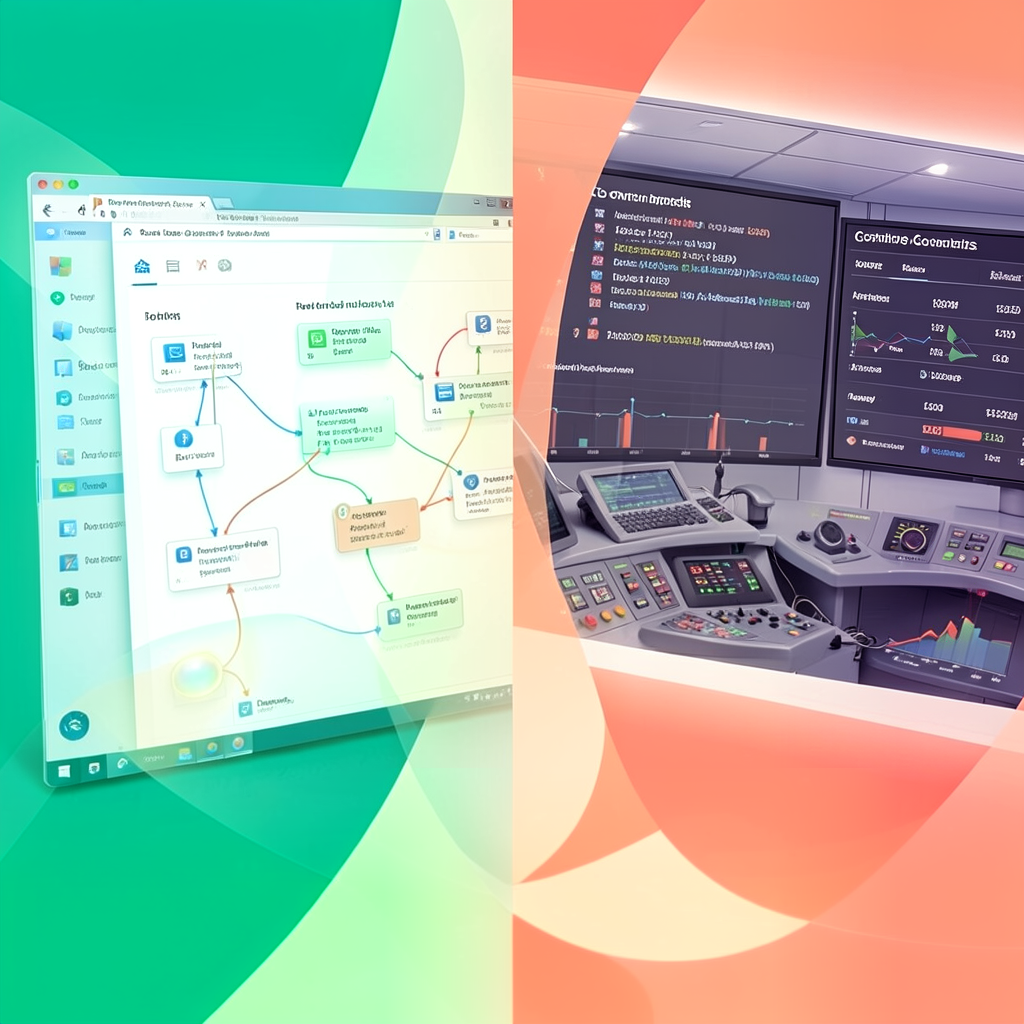
Microsoft is turning Windows into an agent execution layer
The real Microsoft signal this week is architectural, not theatrical: combine local AI runtime paths, governed computer-use automation, and a services channel that can actually deploy it in enterprises.

The EU AI Act is now an operating deadline, not a policy debate
The market keeps reading Europe’s AI rule changes as delay theater. The stronger read is operational: August 2026 still forces real transparency and governance work, while high-risk obligations are being re-sequenced—not erased.

NVIDIA is moving from hypergrowth to mix governance
NVIDIA’s quarter was huge, but the core signal is structural: management is now explicitly managing investor perception around revenue mix, platform breadth, and China sensitivity. The next test is not growth alone, but whether this mix can stay durable as customers build their own silicon.

Marvell’s AI upside now depends on revenue quality, not just revenue growth
Marvell’s latest quarter was strong, but the important signal is structural: AI infrastructure demand is moving deeper into custom silicon and interconnect. The key question now is not whether growth exists, but whether that growth is durable and high-quality.

Google is repricing the open web by turning Search into an answer layer
Google’s recent AI Search push is not just a UI upgrade. It is a distribution-economics shift: more user intent gets satisfied inside Google surfaces, while publishers face a harder fight for traffic, differentiation, and direct demand.