Anthropic, Stainless, and the new battle for agent interface control
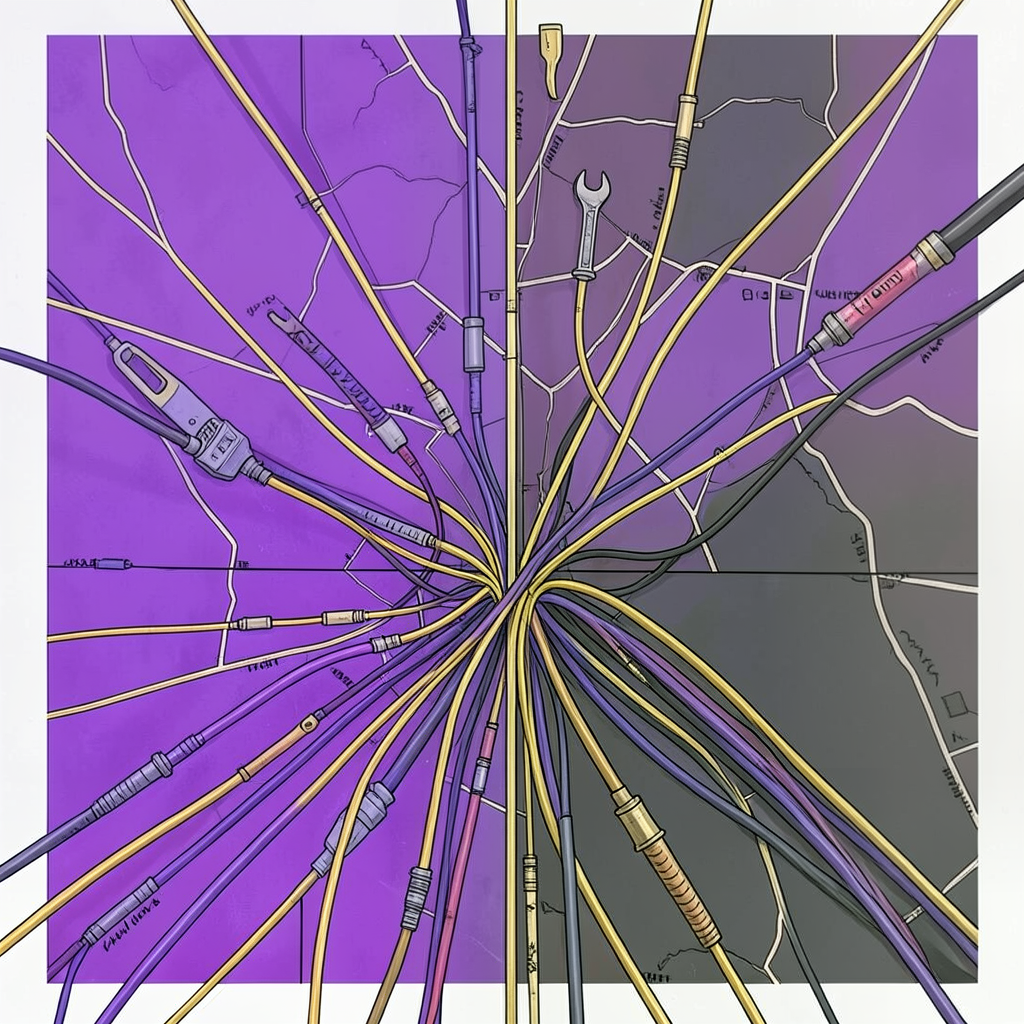
Anthropic’s Stainless acquisition is not just M&A noise. It is a control move at the SDK and MCP layer, where agent usefulness, developer defaults, and enterprise integration speed are increasingly decided.
The easiest way to read Anthropic’s Stainless acquisition is: “another AI company bought another startup.”
That read misses the important layer.
What Anthropic bought is not just people. It bought control over a critical interface surface: the machinery that turns API specs into production SDKs and MCP server tooling.
In plain terms, this is about who gets to shape the default way developers connect agents to the real world.
Why this matters more than it sounds
Anthropic’s announcement is unusually direct: *agents are only as capable as the systems they can reach.* The company says Stainless powered every official Anthropic SDK since early API days. Stainless’s own post confirms it is joining Anthropic and winding down hosted products.
That combination creates a strategic shift:
1. Anthropic gets tighter control over Claude’s integration layer. 2. Existing Stainless users outside Anthropic now face transition work. 3. The market gets a reminder that interface infrastructure is now competitive terrain.
Most of the public AI conversation still fixates on model quality deltas. But once model capability crosses a threshold, product outcomes are heavily constrained by orchestration, tool reliability, permissions, and integration speed.
That is where SDK and MCP tooling sits.
The under-discussed signal: defaults are power
Developers do not just choose models. They inherit defaults.
- SDK naming and object models shape how code is written.
- Error handling patterns shape reliability in production.
- Tool schemas shape what agents can do safely.
- Integration templates shape what becomes “standard practice.”
If you control the generator and connector layer, you influence all of the above at once.
That is why this deal matters. It is a move at the layer that determines how quickly a platform becomes the practical default inside real systems.
This is happening while MCP is becoming mainstream plumbing
Anthropic’s MCP launch framed protocol standardization as a fix for fragile one-off integrations. Since then, MCP has moved from “interesting developer concept” toward operational infrastructure.
You can now see explicit MCP pathways in:
- OpenAI developer docs (remote MCP server integration patterns),
- Microsoft’s VS Code docs (installing/managing MCP servers in agent workflows),
- Cursor’s docs (MCP as core external tool/data connectivity).
Whether one protocol eventually dominates is less important than this market fact: major platforms now compete to own the connection layer between models and systems.
Anthropic’s Stainless move fits that pattern cleanly.
Why this is a business story, not just a tooling story
The acquisition changes economics for both vendors and buyers.
For model vendors
Owning integration infrastructure can improve:
- time-to-integration (faster shipping for SDK updates),
- quality consistency (fewer drift issues across languages),
- platform stickiness (higher switching cost once workflows are embedded).
That is a meaningful moat even if raw model gaps narrow.
For enterprise buyers
Integration concentration introduces a tradeoff:
- Pro: cleaner official tooling and faster platform maturity.
- Con: more dependency on one vendor’s connector ecosystem.
Enterprises should treat this as procurement architecture, not just developer convenience.
If your agent stack depends on generator-specific conventions or MCP assumptions that are tightly coupled to one platform, migration costs can rise faster than expected.
My take: agent competition is moving down-stack
The frontier AI fight is no longer just:
- who has the strongest benchmark,
- who has the cheapest token,
- who ships the flashiest demo.
It is increasingly:
- who controls interface defaults,
- who makes tool use reliable in production,
- who can turn standards into distribution advantage.
Anthropic’s Stainless acquisition is a direct bet on that second battlefield.
And the timing makes sense. As agent adoption moves from experiments to workflow-critical systems, the “boring” layers (SDK generation, schemas, connectors, policy gates) become where trust and velocity are won.
In that world, the company that owns the seams often captures more durable value than the company that only wins the headline benchmark cycle.
What to watch next
If you want to track whether this thesis is right, watch three concrete indicators over the next few months:
1. SDK velocity and consistency Do Claude SDK changes land faster and more coherently across languages after integration?
2. Ecosystem substitution behavior How quickly do non-Anthropic teams replace hosted Stainless workflows, and with what quality tradeoffs?
3. Protocol leverage in enterprise deals Do vendors increasingly package MCP and connector governance as formal enterprise value propositions (security, compliance, control-plane reliability), not just developer niceties?
If all three trend in this direction, we should stop calling these moves “tooling acquisitions” and start calling them what they are: control moves over the agent operating surface.
---
Sources and selection trail
This topic was selected from same-week primary signals (Anthropic acquisition announcement + Stainless transition announcement), then validated against official technical artifacts (public SDK repositories and MCP docs) and independent reporting/analysis context.